
From PDF drawings to construction-ready quantities with BIM.
Horizun modeled an industrial pipe rack from 2D documentation and turned it into a BIM base for visualizing, quantifying, and planning steel structure, concrete, and reinforcement.
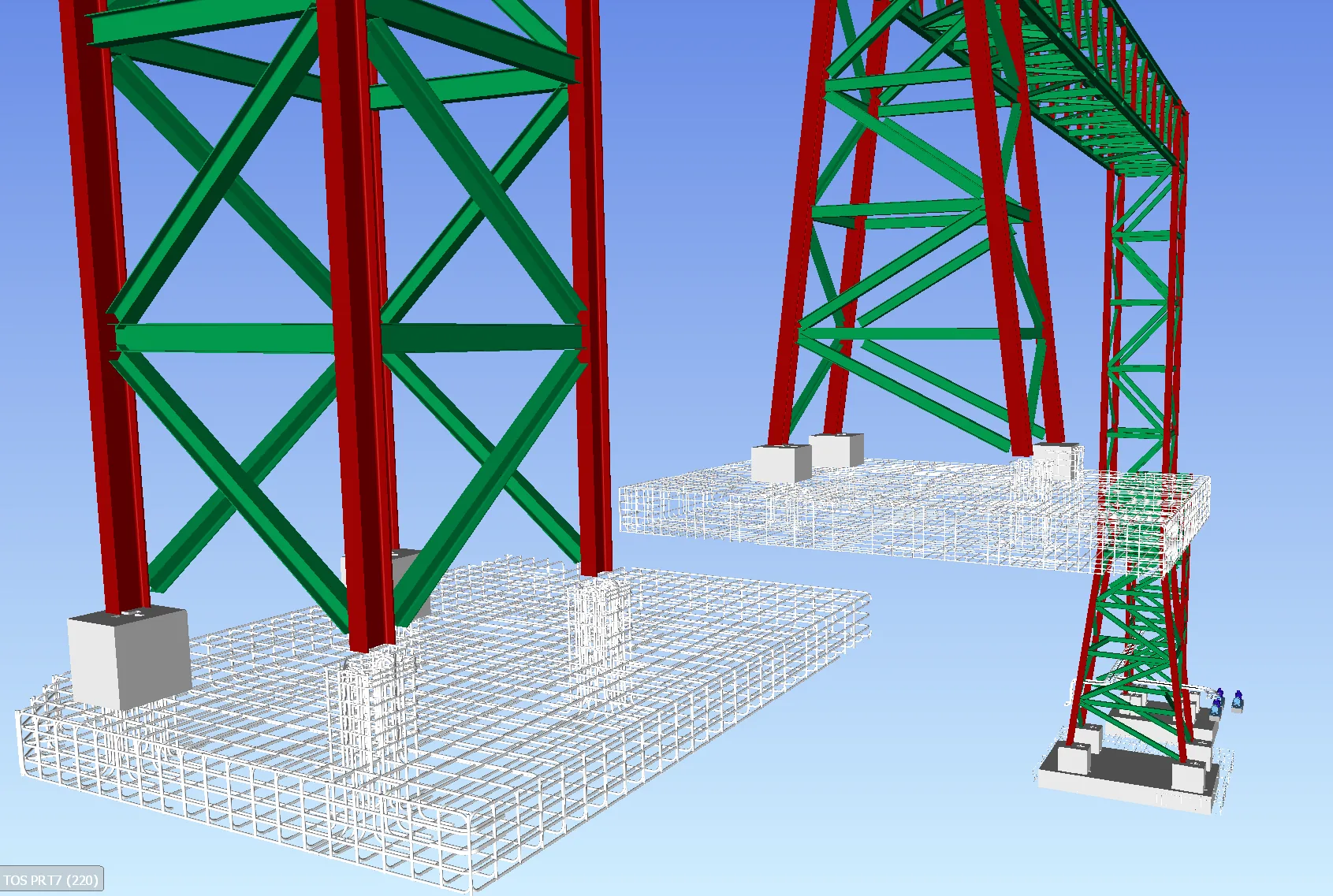
Convert 2D documentation into measurable construction information.
The project needed to move from PDF drawings and technical details into a model that could be understood, coordinated, and quantified. The goal was not only to create a visual model, but to build an information base for estimating, procurement, fabrication, and field execution.
The scope separated steel structure, concrete, and reinforcement steel so quantities could be reviewed by activity, host, diameter, position, and construction criteria.
From technical documents to a BIM construction package.
2D documentation
Review of PDF drawings, construction details, and engineering criteria.
BIM model
Modeling of steel structure, foundations, pedestals, and reinforcement steel.
Data and quantities
Quantity extraction by element, diameter, position, host, and activity.
Construction package
Schedules, 3D views, bar lists, take-offs, and worksheets for procurement and execution.
Technical outputs connected to the model.
What was delivered
- Revit model of the pipe rack with steel structure, concrete, and reinforcement separated.
- NWD models for visualization and technical review.
- Quantity worksheets organized by element, host, diameter, and position.
- Rebar schedule with lengths, quantities, weights, and cutting criteria.
- Technical BOQ with civil and steel activities organized for review.
Project value
- Traceability between drawings, model, quantities, and rebar schedules.
- Clearer visualization of foundations, pedestals, base plates, reinforcement, and steel structure.
- Information that supports estimating, procurement, cutting, bending, assembly, and control.
- A more structured technical base for office, procurement, and field coordination.
Model, reinforcement, take-off, BOQ, and schedules generated from the BIM workflow.
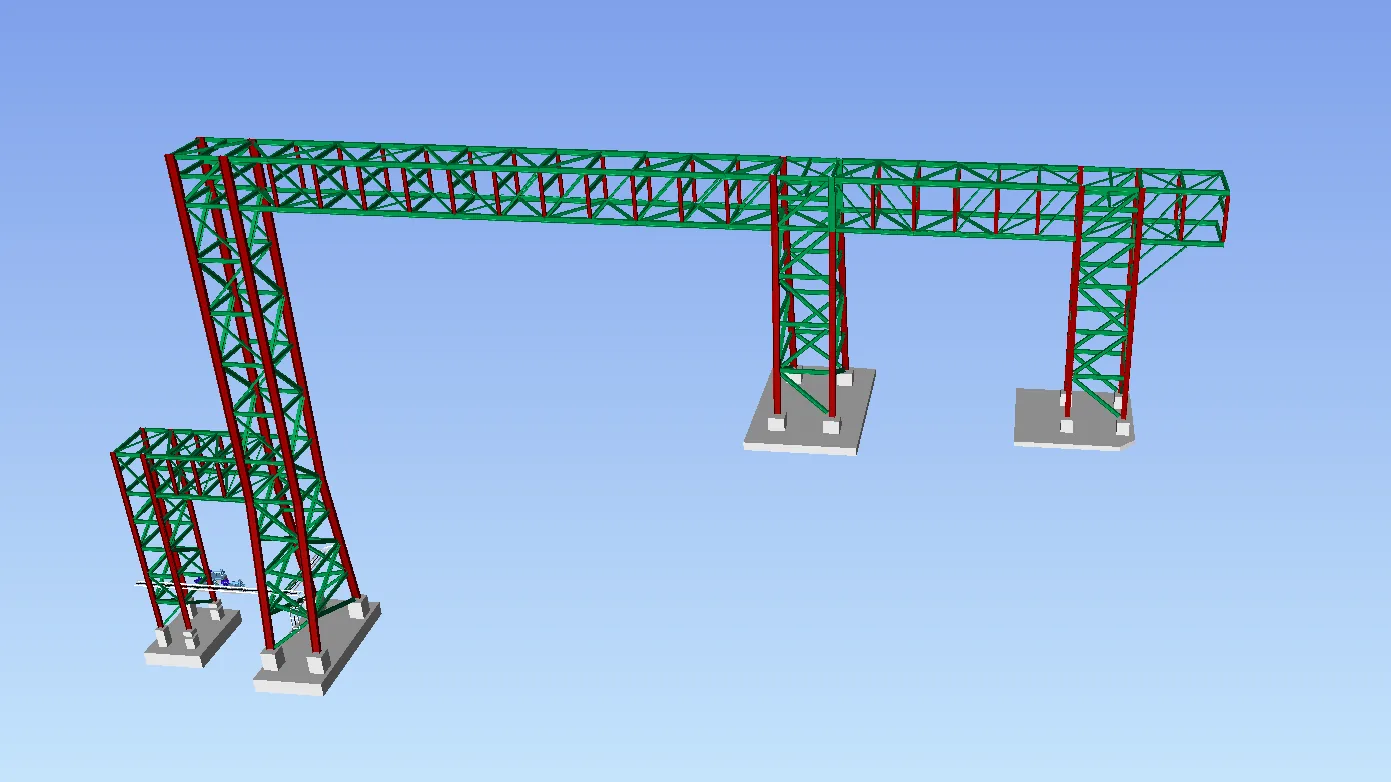
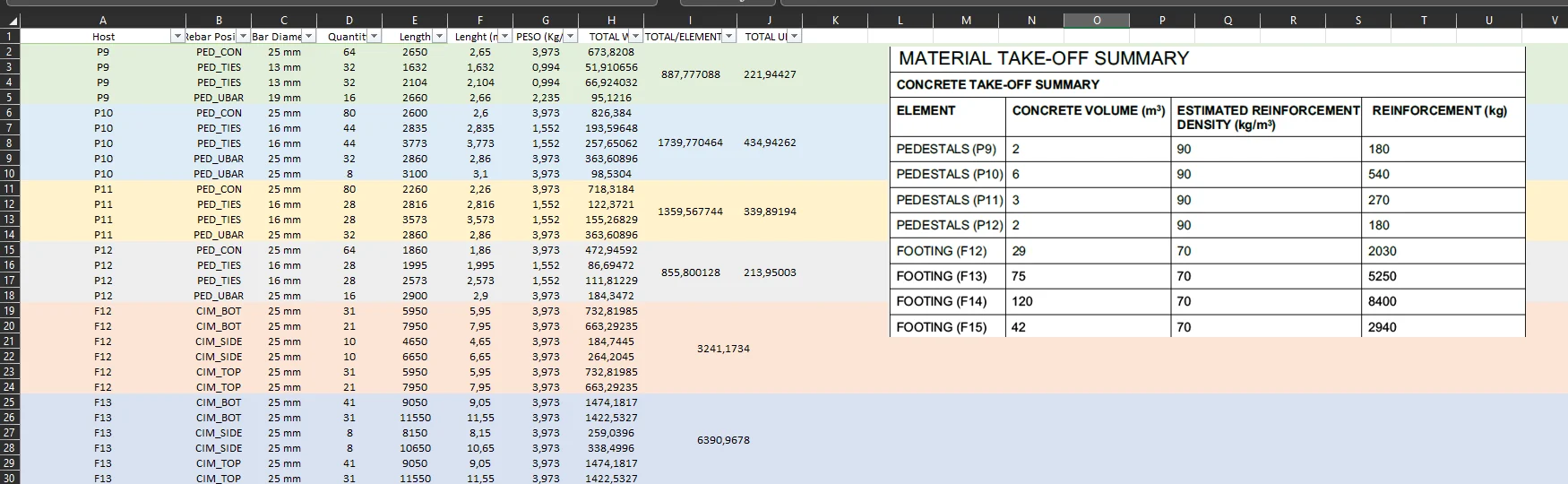
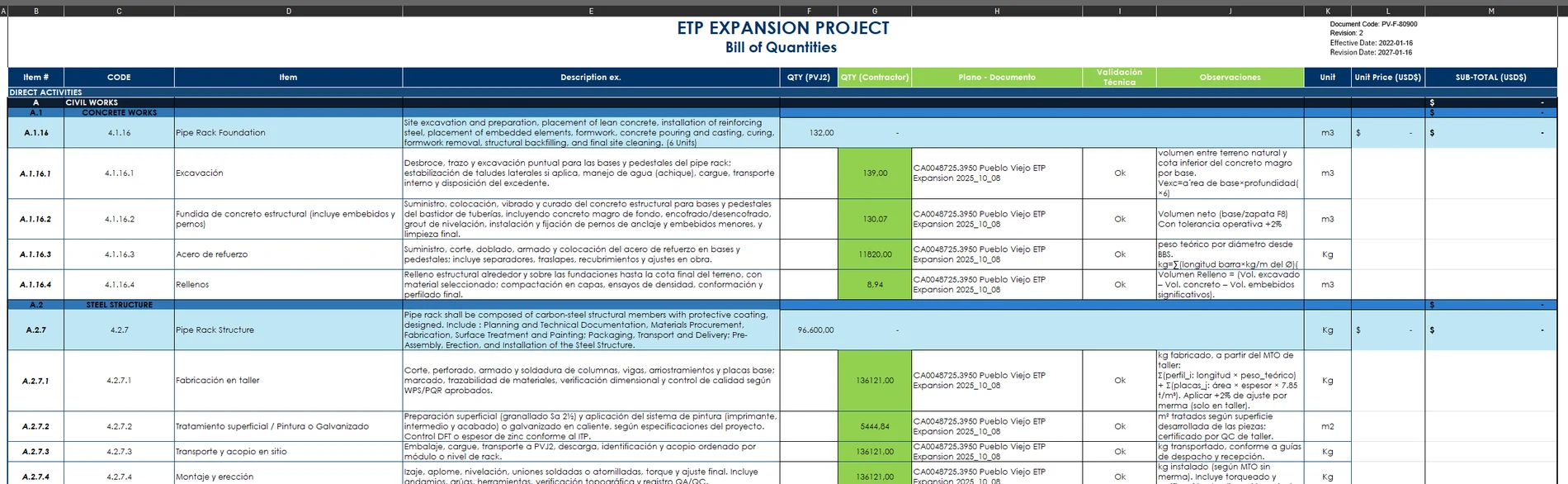
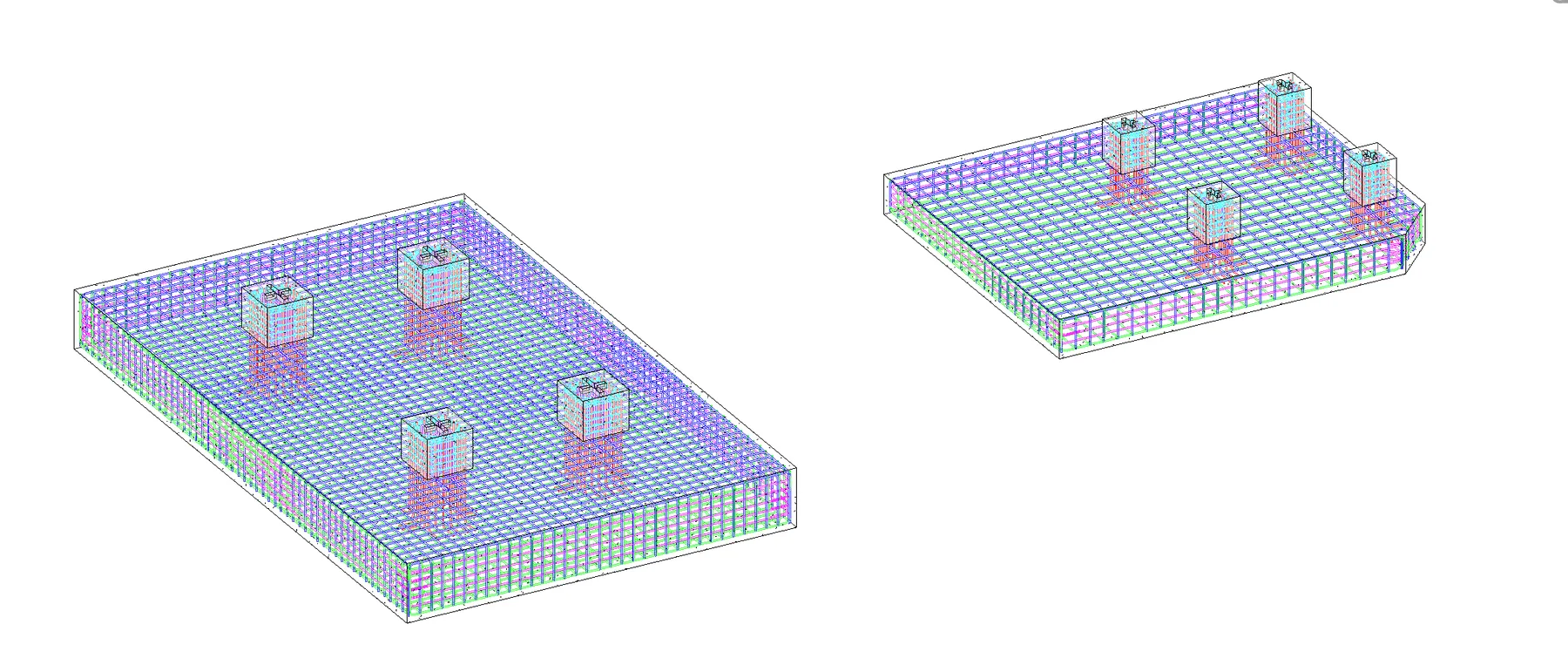
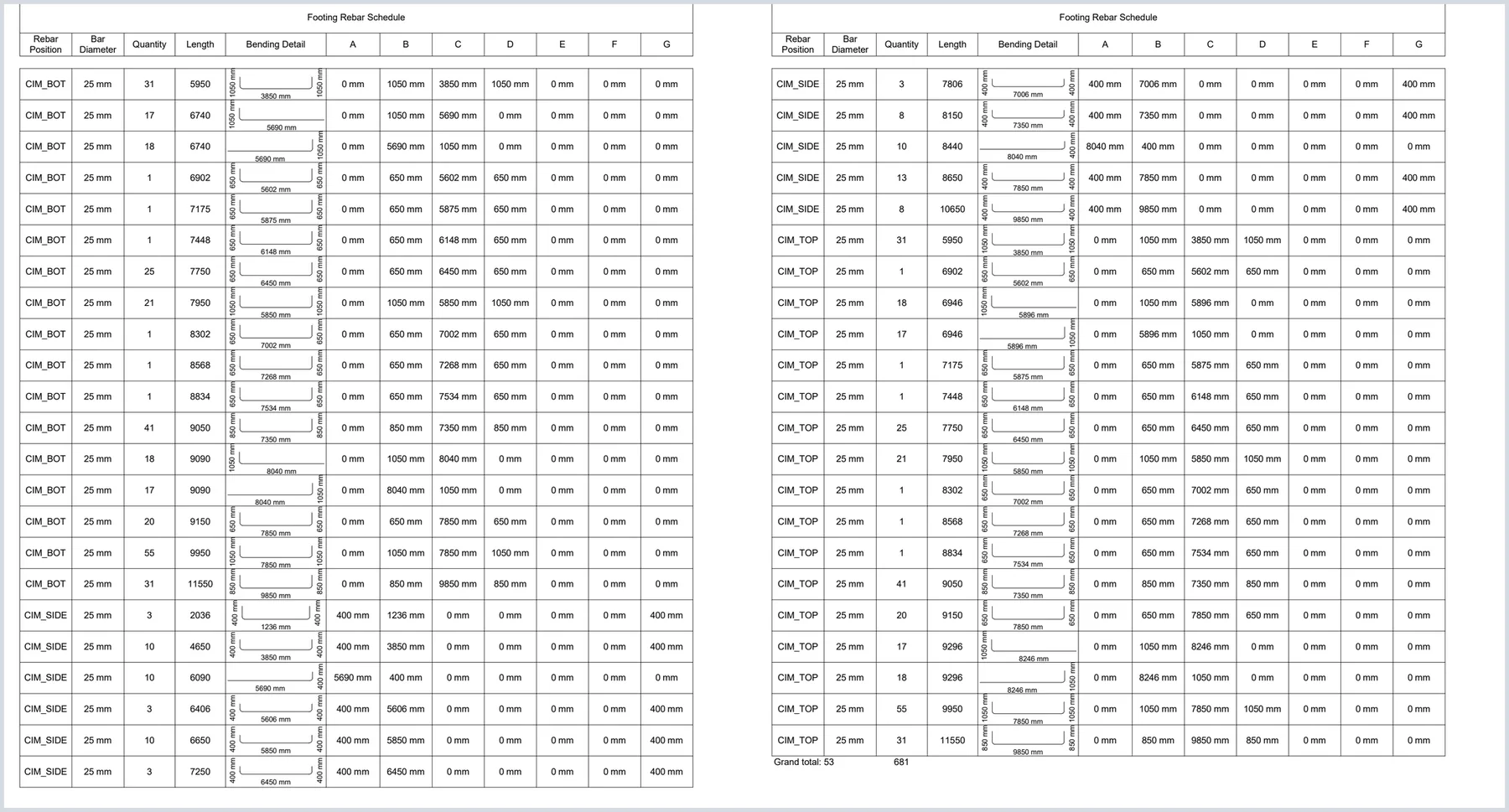
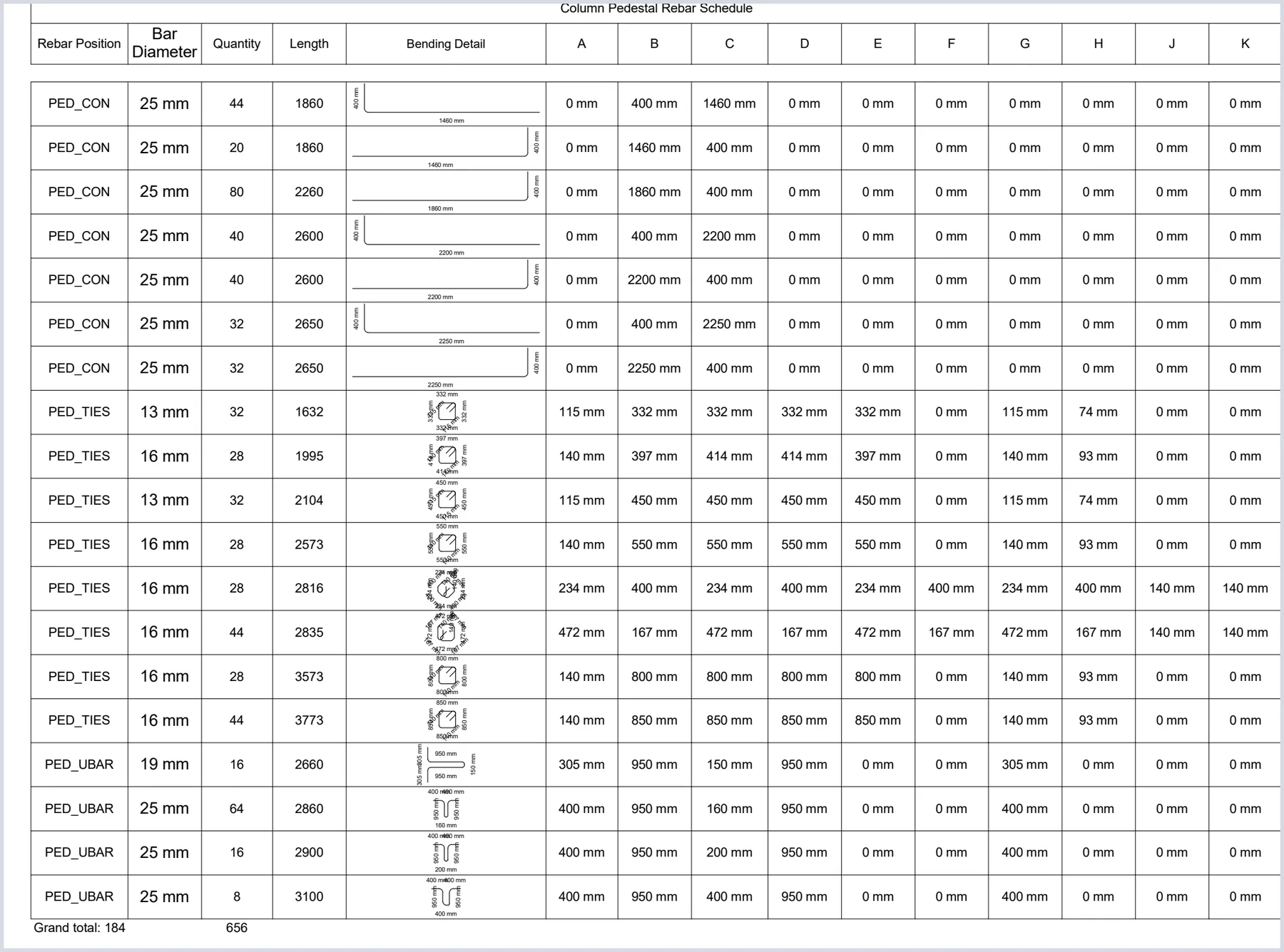
Connected information for procurement, estimating, and execution.
This case shows how a BIM model can connect drawings, geometry, materials, and spreadsheets into one technical base. The resulting information helps teams review the project in 3D, understand where each element belongs, and turn that model context into quantities and schedules that support construction control.